Coatings
Gtechniq CSL, EXO or C2? Choose a paint-protection plan that fits your car
The Cen-Tex Counter · Nov 18, 2026 · 9 min read
Compare the jobs behind CSL, EXO and C2, then build a realistic plan for existing protection, preparation, workspace, purchasing and long-term care.
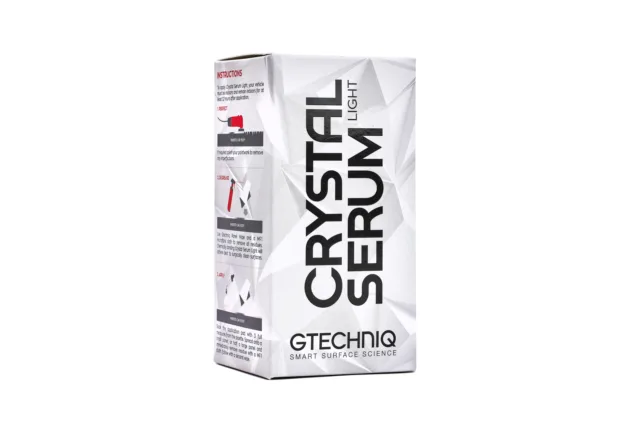
The first question when comparing Gtechniq CSL, EXO and C2 should not be which bottle has the biggest durability claim. It should be what job you are trying to complete. A planned paint-coating project, a compatible top layer and a spray-sealant maintenance step are different decisions. They involve different preparation questions, scheduling commitments and expectations after the car leaves the workspace.
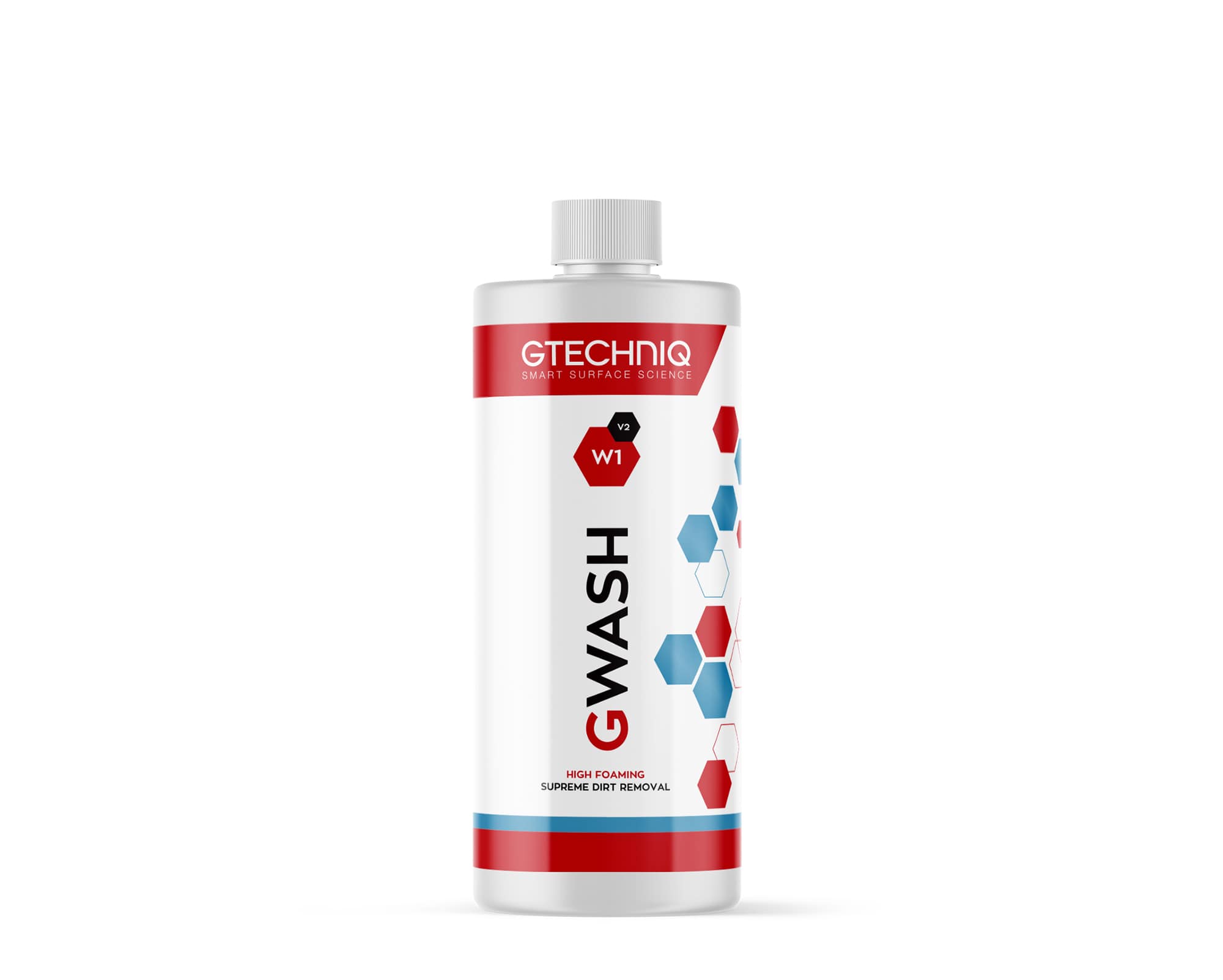
At Cen-Tex, the relevant listings are Crystal Serum Light, EXO Ultra Durable Hydrophobic Coating and C2 Liquid Crystal. This guide helps you compare their roles and organize a sensible purchase. It is not a timed performance test, a guarantee of results on your vehicle or a replacement for the application directions supplied with the exact version you buy.
The quick decision: project, top layer or maintenance
Think in terms of the task rather than a good-better-best ranking. CSL belongs in the conversation when you are planning a dedicated paint-coating project. EXO is worth considering when you want a hydrophobic coating or an approved top layer. C2 is the spray-sealant option to investigate when a separate protection or maintenance step better fits your routine.
The manufacturer's EXOv5 guidance describes both standalone use and use over compatible Gtechniq coatings. That means EXO is not merely an accessory that only makes sense if you buy CSL. Conversely, a bundle containing both products is not evidence that every car needs both.
In a CSL-and-EXO system, Gtechniq positions CSL around hardness and chemical resistance and EXO around hydrophobic behavior. Those are manufacturer-described roles, not a measured comparison performed by Cen-Tex.
Use this starting framework:
- Planning a coating on identified paint with suitable preparation and workspace: investigate CSL and decide separately whether a top layer is part of the project.
- Considering EXO alone or over a known coating: identify the exact underlying product and use the appropriate version-specific instructions.
- Maintaining known protection or seeking a spray-sealant step: investigate C2 and its compatibility with the established care plan.
- Unsure what is on the car: identify the existing surface and treatment before selecting any of these routes.
Identify the paint and existing protection
Write down what the vehicle actually has. Is the panel exposed paint, paint protection film, vinyl, or a mixture? Has a panel been repainted? Was a coating applied previously, and can you identify it? A detailer's invoice or the previous owner's maintenance record is more informative than a photograph of water beads.
Keep uncertainty visible. “Existing coating unknown” is a useful starting point because it prevents you from treating the vehicle as bare paint without evidence. It also gives the counter or installer a concrete question to resolve. Do not describe a new top layer as compatible with an unidentified underlying product simply because both are called ceramic.
Separate non-paint surfaces from the plan. Glass, trim, wheel finishes and film have their own product and compatibility questions. If part of the car has PPF or vinyl, use the HALOv2 planning guide for that portion. A whole-car shopping list can contain several decisions without becoming one universal application procedure.
Check the version, not just the familiar name
Product names can stay familiar while formulations and directions change. Cen-Tex's current EXO description identifies EXOv5, but confirm the supplied bottle and leaflet before using version-specific advice. Do not combine a procedure from an older video with timing from a newer label and call the result a current instruction set.
C2 needs particular attention because the Cen-Tex listing uses Liquid Crystal while the current manufacturer page uses C2 Ceramic Sealant and discusses Version 4. That naming difference does not prove which generation is physically available in a selected package. Confirm it before transferring a newer version's application directions to an older bottle.
A useful record contains the product name, version where stated, purchase date and a photograph of the supplied instructions. This is not paperwork for its own sake. If you later ask about maintenance, residue or another product on top, the answer can be tied to what was actually used rather than a generic product family.
Decide what preparation is included
A coating purchase does not decide whether paint correction is necessary or appropriate. Assess the existing finish and agree on the appearance you want before setting the coating scope. Document defects that will remain instead of implying that protection removes them. The coating-preparation checklist covers that broader workflow; this comparison focuses on choosing the project rather than repeating an application manual.
Divide the work into preparation, protection and maintenance. Against each stage, record the required materials, who will do it and any unresolved questions. If preparation involves work beyond your experience or an uncertain repaired surface, resolve that before opening the coating. A more expensive bottle does not remove the need for a suitable starting surface.
Keep a separate compatibility check for preparation chemicals. The instructions for applying a product to bare prepared paint are not automatically the instructions for adding it over a freshly applied coating. Read the section that matches the actual job, not the first procedure found in a search result.
Treat workspace and timing as buying criteria
The CSL instructions require indoor application and 12 hours indoors afterward. EXOv5's guidance specifies keeping the vehicle dry for at least 12 hours and not washing for at least a week. These are useful scheduling facts, not complete application instructions. Check the supplied directions for the entire process and conditions.
Before buying, ask where the car will be during preparation, application and the required protected period. A driveway appointment followed by an immediate return to outdoor parking is not the same project as a reserved indoor workspace. If your plan cannot provide the required conditions, change the plan rather than quietly ignoring the inconvenient part of the directions.
A shop should also consider collection and staff handover. The employee taking payment may not be the person who applied the product. Put the release instructions on the work order and explain them to the customer. A well-chosen coating can still become a poorly managed service if the care requirements disappear at pickup.
Three examples of sensible product selection
Consider a hypothetical owner with documented, compatible existing protection who wants a straightforward maintenance routine. The first step is reading the current care instructions, not assuming the car needs a new CSL application. C2 may be a product to discuss for the intended maintenance role, but the existing system determines whether that addition belongs in the plan.
Now consider an enthusiast preparing identified paint for a dedicated coating project with suitable indoor space. CSL is a relevant option to evaluate. EXO is a separate decision about the chosen system and workflow, not an automatic extra. The owner should compare a single-product plan and a planned combination on total work, required materials and aftercare, not simply the number of bottles.
Finally, consider a used car with an unknown coating and a wrapped roof. None of the three products resolves that uncertainty by itself. Start with material and treatment identification, then separate the roof from the paint. The useful purchase may begin with an assessment and a maintenance plan rather than a coating kit. These examples illustrate decisions, not test results or recommendations for an unseen vehicle.
Build the basket around the job
Make a list before opening the CSL and EXO kit page. Compare the selected sizes and stated contents with that list. A kit can simplify ordering, but its name does not establish that it includes every preparation product, towel or protective item your job requires.
Use four purchasing groups:
- Surface preparation: only the cleaning, decontamination or correction materials required by the verified plan.
- Application and inspection: the specified applicators and removal materials, plus suitable lighting and a defined work area.
- Personal protection and handling: the equipment and precautions required by labels and safety data sheets.
- Maintenance and handover: the products and instructions that the owner will actually use after the job.
Mark each item as already available, needs replacing or needs clarification. That prevents buying duplicate bottles while overlooking clean removal materials or the place the car must remain. Check options and availability on current product pages. Do not turn an old blog price or another user's coverage report into a promise about your selected package.
Compare the total project, not just bottle price
Two options with similar shelf prices can represent very different commitments. One may fit an existing maintenance routine; another may involve preparation, indoor time and professional labor. Compare like with like. A product-only purchase and a fully prepared installation are not equivalent quotes.
For a simple comparison sheet, give each option the same headings: included surfaces, preparation, products, workspace, labor, protected time and maintenance. Leave unknown entries blank until resolved. A blank is more honest than an invented allowance that makes one option look cheaper. If a service quote includes paint correction, ask what that means for your vehicle rather than assuming it is identical across providers.
If you need to reduce cost, decide which optional work can change without omitting required preparation or handling. Do not promise an accredited installation or registered guarantee merely because a consumer product appears in the basket. Ask what the actual service includes and keep product claims separate from service terms.
Keep the next maintenance decision simple
Record the completed system: product names and versions, date, treated panels and applicable aftercare. Keep that record where whoever washes the vehicle can find it. If products are added later, update it. A short history makes a future question about cleaning or topping up much easier to answer.
Do not judge the entire system from a single photograph of water behavior, and do not respond to every change by adding another product. Record what changed, what was used and what the surface looked like after cleaning. Bring unresolved concerns to the manufacturer or installer with those facts rather than guessing at a complete coating failure.
When you contact Cen-Tex, include your surface, known protection, intended job and available workspace. Then compare the Gtechniq collection, confirm the exact package and arrange in-store pickup or eligible local delivery. The right choice is the product that fits a defined, maintainable plan, not the one with the most impressive number on a label.
Plan Your Order
Confirm compatibility and bottle-label instructions. Choose in-store pickup or eligible local delivery.