Coatings
HALOv2 on PPF or vinyl: a complete planning guide before you coat
The Cen-Tex Counter · Nov 18, 2026 · 9 min read
Build a film-specific plan for HALOv2, from identifying your wrap and checking existing protection to scheduling the job, inspecting the finish and handing over clear aftercare.
A vehicle with paint protection film is not necessarily a vehicle with one uniform surface. It may have PPF on the front bumper and hood, exposed paint on the doors, vinyl on the roof and an unknown treatment from a previous detail. That combination is a good reason to plan before buying a coating. It is not a reason to spread the same product everywhere and hope the word “ceramic” settles the compatibility questions.
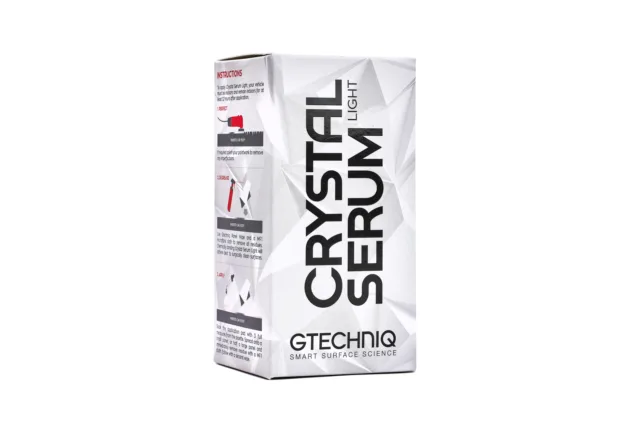
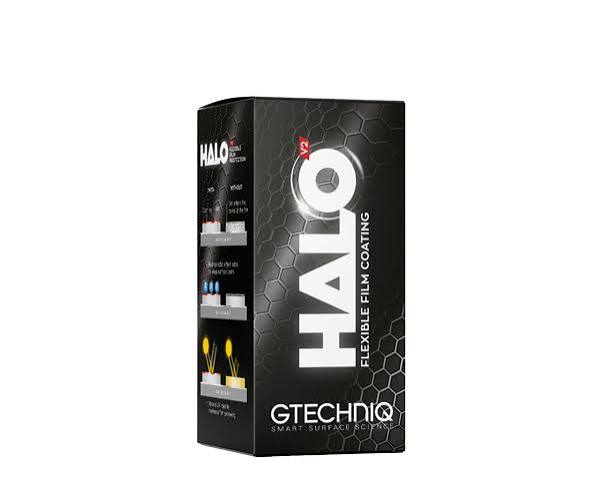
HALO v2 Flexible Film Coating is the film-focused Gtechniq option in the Cen-Tex catalog. This guide explains how to decide whether it belongs in your project, what information to collect and how to avoid confusing film installation, surface preparation and coating aftercare. It is a buying and planning guide, not a replacement for the current application leaflet or your film installer's instructions.
Start by identifying what is on the vehicle
Create a panel map before selecting chemicals. A simple outline with labels is enough: hood, bumper, fenders, roof, doors and other relevant areas. Against each section, record whether it is exposed paint, PPF, vinyl or an unidentified material. Add the manufacturer, product line and finish where known. “Clear film” is less useful than the actual film name, just as “matte” describes an appearance rather than a complete specification.
The installation invoice, warranty paperwork or installer can help establish those details. Ask when the film was fitted and whether any sections were replaced later. A replacement panel can have a different product or treatment history from the rest of the vehicle. Keep installation timing separate from the date a coating was applied; those are different events with potentially different aftercare requirements.
If you bought the car used, do not treat missing paperwork as proof that no protection exists. Record the uncertainty. The next useful step is identifying the film and its care requirements, not ordering a preparation product on the assumption that every clear-looking surface is bare paint.
Understand the job you want the coating to do
Write a practical objective: establish a manageable care routine for identified film, add a compatible coating at a planned appointment, or treat a confirmed film section while leaving other materials to their own care plan. Avoid objectives a coating cannot establish, such as repairing torn film, reattaching lifting edges or making a vehicle immune to road damage.
Gtechniq's HALOv2 product and application page identifies PPF and vinyl, including gloss, satin and matte finishes, and specifies a single-layer application. Those are product-selection facts, not confirmation that you have identified the film on a particular vehicle. Match the supplied version and the actual material before planning preparation.
A useful purchasing question is “What will I do differently to maintain this vehicle?” If the answer is that you expect never to wash it again, reset the expectation before buying. If the answer is that you want a documented film-care system with a compatible coating, you have a clearer project to discuss with the installer or supply counter.
Check the film's own care guidance
The coating instructions and the film's care instructions need to work together. Do not assume a paint-polishing process belongs on vinyl or a matte surface. For example, 3M's wrap-care guidance cautions against abrasive polishes, cutting compounds and wax products on matte or textured films. The same page also discourages waxes or similar coatings on vehicle graphics. This is a real compatibility question, not a reason to assume HALOv2 is approved for every 3M wrap. Obtain confirmation from the film manufacturer or installer for the exact film and coating combination before proceeding.
Similarly, XPEL's product-care information separates care by product type. Find the section for the installed product rather than applying an instruction for windshield film, paint film or ceramic coating interchangeably. Save the applicable guidance with the vehicle's records.
If the film manufacturer and coating instructions appear to conflict, pause and ask for clarification about the exact combination. A general statement that a coating works on PPF does not resolve a specific film warranty question. Do not promise that a particular third-party treatment preserves every warranty unless the applicable terms actually establish that.
Inspect condition before discussing preparation
Look at the film as an installed component, not just a shiny surface. Photograph lifting edges, tears, bubbles, staining and areas that were repaired or replaced. Describe their location rather than trying to diagnose every mark from appearance. The inspection helps separate a maintenance question from an installation or material-condition question.
A lifted edge is a reason to contact the installer, not a place to experiment with extra coating as an adhesive. A stain that remains after the film's approved cleaning process is a question to investigate, not automatic permission to move to an abrasive or stronger solvent. Preserve the history of what was used and what changed so a specialist can respond to an actual case.
For a customer vehicle, get agreement on existing conditions before starting. “The hood film has this mark near the washer nozzle” is a more useful note than “film looks worn.” A short set of location photographs can prevent the coating appointment from becoming an unplanned film-restoration job with no agreed method or outcome.
Plan the preparation by surface, not by habit
Put the intended cleaning and preparation products beside the panel map. Each should have a reason to be there and applicable instructions. Do not automatically substitute the solvent used on exposed paint or assume that a product previously used on one brand of film is appropriate for another. Check the exact HALOv2 instructions, the film guidance and the safety data sheets before use.
Keep this stage separate from deciding how much coating to buy. A vehicle with old product residue or an unresolved condition problem is not ready simply because the correct coating is in stock. Resolve those questions first. Do not open the coating bottle to make an uncertain project feel committed.
Allocate clean application and removal materials and a place for used ones. Label anything prepared for the job with its actual contents. If more than one person is working, assign surfaces explicitly so the paint workflow is not carried onto the wrapped roof. A shared plan prevents an expensive assumption more effectively than a last-minute reminder.
Build the appointment around protected time
The HALOv2 directions require the vehicle to remain indoors for at least 12 hours after application. Include that period in the appointment before selecting the start time. The job also needs time for preparation, application and inspection. Counting only the minutes spent applying product produces an unrealistic handover promise.
Consider a hypothetical owner whose vehicle has to be outside again that evening. A free afternoon does not automatically provide the required protected period. The sensible options are to reserve suitable indoor space and a different collection time or move the appointment. Buying another bottle does not solve a scheduling problem.
For a shop, write the release time on the work order and tell the person arranging pickup. If another employee handles collection, they need the same information. Keep installation-related restrictions and coating-related instructions together but clearly labeled, particularly when film installation and coating happen close together.
Example: a partial-PPF vehicle with a wrapped roof
Imagine a car with documented PPF on the hood and front fenders, vinyl on the roof and exposed paint elsewhere. The owner wants to improve the consistency of its care routine. The right starting point is three material categories, not one whole-car coating claim.
First, confirm the exact PPF and roof-vinyl identities and their condition. Second, establish what protection is already present on each area. Third, choose the care and preparation plan for each confirmed material. HALOv2 may be the film-focused product under consideration, while the exposed paint is a separate decision covered by the Gtechniq paint-product guide.
If the roof material cannot be identified, keep it out of the agreed coating scope until the question is resolved. The completed work can still be useful if the documentation is honest about the included panels. A precise partial project is better than an unsupported claim that every surface received the same suitable treatment.
Inspect, document and maintain the result
Plan the final inspection before the job starts. It should cover treated panels, boundaries and areas around film edges without treating inspection as permission to disturb the installation. Use suitable lighting and compare the result with the condition photographs. Check the application leaflet for the prescribed residue-inspection process rather than inventing a generic correction routine.
If a mark appears, record where it is, when it was noticed and what products have been used. Do not assume it proves film failure or that another layer is the answer. Refer unresolved problems to the relevant product or installation support with that record. Clear facts are more useful than a photograph accompanied only by “the coating failed.”
At handover, provide the exact coating name and version, application date, treated-panel list and applicable aftercare. Keep a copy with the film information. On later washes, record any change in products or observations after cleaning. Water behavior by itself is not a reliable identity label for whatever protection a previous owner applied.
Assemble the purchase without overbuying
Open the HALOv2 product listing and compare the selected size and stated package contents with the job plan. Do not infer the contents of every option from a product image. Ask about the actual package and available stock rather than relying on an old screenshot or another person's coverage estimate.
Include only the preparation materials supported by the verified process, clean applicators and removal materials, and the protective equipment specified by the labels and safety data sheets. Add a realistic indoor-space plan and a written handover. These are parts of a complete project even though not all of them are products in a cart.
When you contact Cen-Tex, send the film identity, finish, covered panels, existing condition and intended timing. Those details let the counter address a specific supply question. Browse the Gtechniq collection for related products, confirm availability and arrange in-store pickup or eligible local delivery. Finish the material and scheduling decisions before opening the bottle. That is what turns a promising product into a practical, well-defined job.
Plan Your Order
Confirm compatibility and bottle-label instructions. Choose in-store pickup or eligible local delivery.