Detailing
GWash, Ceramic GWash or C2: build a maintenance routine you can repeat
The Cen-Tex Counter · Nov 18, 2026 · 9 min read
Separate washing from added protection, measure the actual wash solution and create a clear routine for a known coating without buying overlapping products.
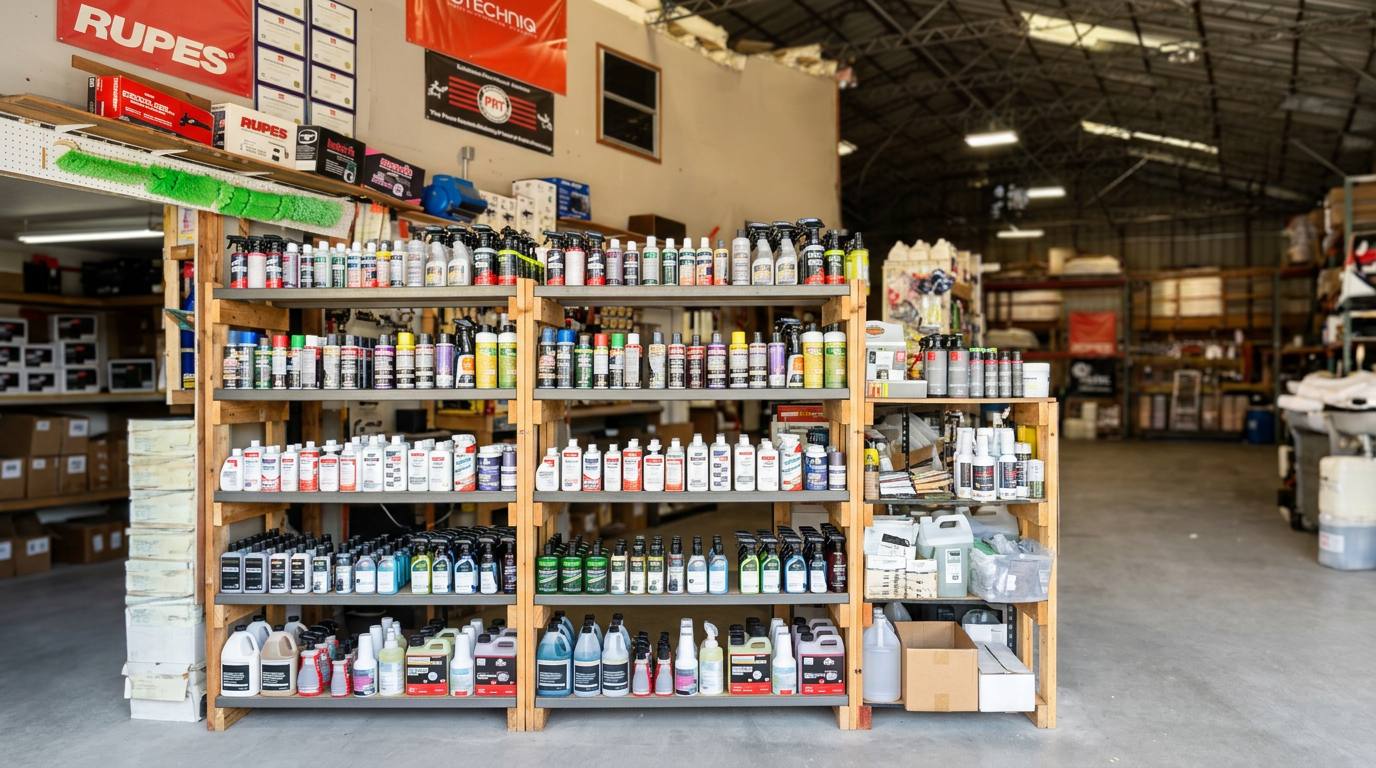
A shelf full of car-care products can make a simple wash harder to organize. One bottle promises cleaning, another includes protection and a third is a separate sealant. If all three become part of every wash without a reason, you lose track of what each one contributes. The better approach is to give each stage a job: clean the vehicle, inspect the result and add protection only when it fits the existing care plan.
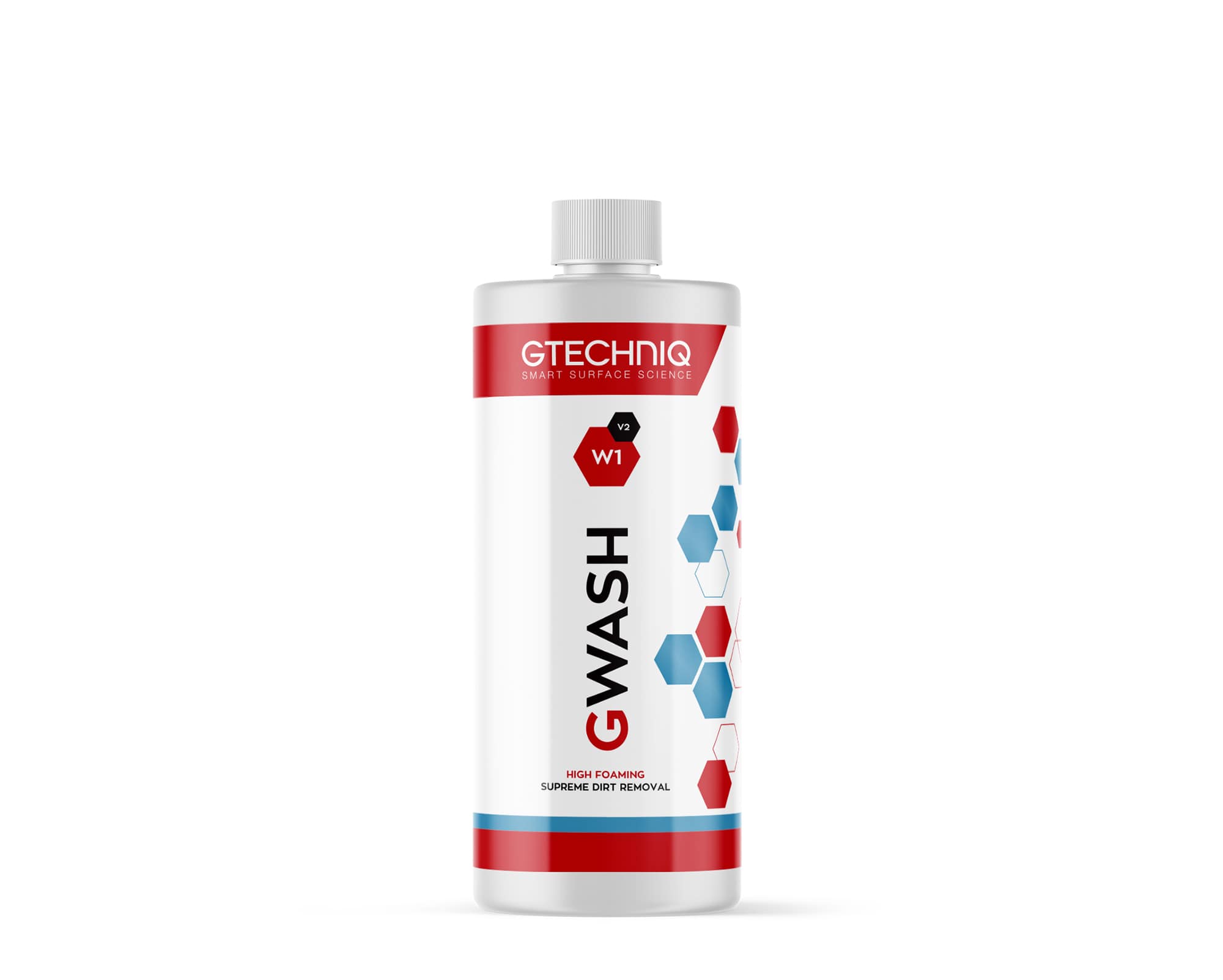
The relevant Cen-Tex listings are GWash, Ceramic GWash and C2 Liquid Crystal. They are not three sizes of the same product. This guide explains how to choose a routine, prepare repeatable measurements, estimate product use and recognize when a maintenance question needs more than another bottle. It does not replace the label or the instructions for the coating already on the vehicle.
Identify the protection before choosing the wash
Start with the treatment record. What product was applied, to which surfaces, and when? Was it a professional coating, a consumer-applied coating, a spray sealant or something unknown? Keep the name and version where available. A vehicle that beads water is not automatically a vehicle with an identified ceramic coating.
Ask the installer for the actual aftercare instructions if you do not have them. Distinguish instructions for a newly treated vehicle from the later maintenance routine. A wash that belongs in regular care may still be inappropriate during a specified initial no-wash period. Do not let a product recommendation erase that timing requirement.
Also note different materials. A wrapped roof, film-covered hood and painted doors may have separate care restrictions. Your routine must respect those surfaces rather than assuming the whole car follows the instructions for one paint coating. If the history is missing, say so when requesting advice. Uncertainty is useful information, not something to hide with a confident product choice.
Understand the three jobs
Gtechniq presents standard GWash as a maintenance shampoo for protected vehicles. Ceramic GWash combines washing with an added hydrophobic layer. C2 is a separate spray-sealant product. Those roles explain why choosing a bottle should follow the maintenance objective, not the presence of the word “ceramic” on the label.
There is an important qualification on the manufacturer's Ceramic GWash page: its FAQ advises standard GWash rather than Ceramic GWash for professional ceramic-coating applications. That is more restrictive than the page's broad marketing language about existing protection. For an installed coating, use the documented aftercare and resolve the exact product combination with the installer or manufacturer instead of treating the broad wording as blanket approval.
The current C2 manufacturer page uses C2 Ceramic Sealant and discusses Version 4, while the store listing uses Liquid Crystal. Confirm the supplied generation. A familiar name is not permission to copy every instruction from a newer formulation.
Choose one clear routine before adding extras
For a known coating with an established wash plan, begin by following that plan. If it specifies an ordinary maintenance wash, do not add a wash-and-protect product merely because it sounds like a premium upgrade. The goal is predictable care, not the largest number of protective products used in one session.
For a compatible vehicle where a wash-and-protect step is the deliberate objective, investigate Ceramic GWash under its own instructions. If a separate spray-sealant step is preferred, investigate C2 as a distinct stage after the required cleaning and inspection. These are possible workflows to evaluate, not instructions to combine all products every time.
Also match the equipment. The manufacturer's current FAQs specify bucket washing, not foam-cannon use, for both shampoos. Do not move a bucket recipe into different equipment merely because the solution foams.
Write the chosen routine on a short card: identified surface and protection, wash product, label dilution, required conditions, rinse and drying directions, and any separately approved protection step. Keep the card with the supplies. It should make the correct choice obvious even when someone else washes the car or the routine is interrupted.
Measure water and product, not the size printed on the bucket
A nominal bucket size is not a measurement of how much water you put into it. If you routinely fill to a convenient line, establish what that line represents and use it consistently. Record the units: liters and gallons are not interchangeable, and “one cap” is not a dependable measurement across unrelated bottles.
The current US GWash instructions specify 20 ml for a 5-gallon bucket for light soiling, or 40 ml for heavy soiling. Ceramic GWash's current instructions specify 20 ml per 10 L. Confirm the actual supplied label before use; do not transfer one product's dose to the other or treat these excerpts as the complete washing procedure.
For any label that gives a dose per water volume, the arithmetic is: required product equals the stated dose multiplied by your water volume divided by the stated water volume. Keep both water volumes in the same units. This calculates a proportional batch; it does not authorize a stronger mixture or a different application method.
Worked example: making a repeatable batch
Suppose the exact product label you are following calls for 20 ml per 10 L, and your chosen batch contains 5 L of water. The calculation is 20 × 5 ÷ 10, giving 10 ml. For 15 L, the calculation is 20 × 15 ÷ 10, giving 30 ml. These are examples of scaling that stated ratio, not a universal recommendation for every shampoo.
Now imagine two people sharing the same supplies. One uses a marked water level and a measuring vessel; the other estimates a splash. If the second wash looks different, you cannot compare the sessions cleanly because the mixture was not controlled. Recording the actual amount is useful even for a household vehicle and becomes more important when a shop trains several employees.
Keep measuring equipment dedicated to detailing and handle chemicals according to their labels and safety data sheets. Do not reuse food or drink containers. Replace an unclear handwritten mix label rather than asking the next person to guess what is inside. Reproducibility is a practical quality-control tool, not an excuse to overcomplicate a wash.
Estimate product use without inventing a cost claim
Once you know the dose for your routine, you can estimate batches from the selected bottle size. A hypothetical 500 ml bottle used at 20 ml per batch gives 25 measured batches before accounting for spills, leftover product or changes in use. That is bottle volume divided by dose, not a claim that a particular package guarantees 25 completed vehicle washes.
The distinction matters because a batch and a car are not necessarily the same unit. A job might require more than one preparation of solution, while another person's routine may use a different volume. Do not compare cost per car until you have measured actual consumption for the work being compared.
Use the current purchase price for the selected package when calculating cost per measured batch. Date your calculation and update it when the package price or measured dose changes. For a business, record actual use for a few comparable jobs before deciding whether a larger package is worthwhile. Buying in bulk only helps if the product fits the routine and can be stored and used appropriately.
Inspect after washing before deciding on more protection
Separate observation from diagnosis. Record whether the concern is visible residue, a mark that remains, a change in water behavior or an area that appears different from adjacent panels. Note the products and amounts used, the affected location and whether the observation was made before or after cleaning. “It looks wrong” is less actionable than a description tied to a specific stage.
Do not infer complete coating failure from one wash observation. Equally, do not assume that adding sealant proves an underlying issue has been resolved. If you change the wash product, dilution and protection step together, it becomes difficult to identify which change mattered.
When a problem persists, stop adding variables and consult the coating installer or product manufacturer with your record. A photo can help show the location and appearance, but it does not establish the material, chemistry or cause by itself. Damage, unknown staining and unusual surface changes deserve assessment rather than an automatic stronger-cleaner recommendation.
Build a practical maintenance log
A useful log can fit on one page. Include the date, known protection, products and versions, measured mixture and any additional step. Add a short observation afterward. You do not need a spreadsheet full of speculative performance scores; you need enough information to repeat a successful routine or explain an unsuccessful one.
For example, a hypothetical entry could say: “Maintenance wash using the documented product and measured batch; no additional protection; mark remains on lower passenger door; photograph saved for installer.” That preserves the difference between what was done and what remains uncertain. It does not invent a diagnosis or turn a visual impression into a product test.
If someone else washes the car, share the same instructions and update the record when products change. In a shop, identify who completed the work and where the current product directions are kept. A routine that exists only in one employee's memory is difficult to maintain consistently.
Assemble the smallest complete kit
Start with the wash product selected for the known surface and protection. Add the appropriate wash and drying materials, a way to measure the solution, and whatever protective equipment the label and safety data sheet require. Inspect what you already own before buying duplicates. A clean, suitable towel may be more relevant to the immediate job than an additional sealant you have not decided to use.
Treat C2 or another protection step as a separate purchasing decision. Confirm the version, compatibility and intended place in the routine. Keep preparation and coating-installation products out of a basic maintenance basket unless the work actually calls for them. For a new coating project rather than regular care, use the CSL, EXO and C2 selection guide.
When you contact Cen-Tex, provide the existing coating or sealant, surface, current wash product and the problem you are trying to solve. Browse the Gtechniq collection, confirm the exact package and arrange in-store pickup or eligible local delivery. A good maintenance routine is one you can explain, measure and repeat, without changing products every time a different label catches your attention.
Plan Your Order
Confirm compatibility and bottle-label instructions. Choose in-store pickup or eligible local delivery.