Detailing
Gtechniq G1, G4 or G6? A Practical Glass-Care Buying Guide
The Cen-Tex Counter · Nov 18, 2026 · 9 min read
Identify the glass-care task, separate cleaning from polishing and coating, and plan the products, preparation and inspection for the job.
A windshield that looks hazy can lead to three very different shopping decisions. You may need to clean it, prepare its surface more thoroughly, or add a rain-repellent coating after preparation. Those are different jobs. Buying all three products without identifying the problem can leave you with a complete-looking shelf and an incomplete plan.
This guide helps you choose among Gtechniq G6, G4 and G1, build a sensible order and recognize when product selection is not the next step. It is a buying and job-planning guide, not a substitute for the instructions supplied with your bottle. It does not promise to repair glass damage or establish that an unidentified surface is compatible with a treatment.
The three roles, without the marketing confusion
G6 Perfect Glass is the cleaner in this group. Choose it when the task is routine glass cleaning, rather than assume every window needs polishing. The manufacturer's glass-lineup comparison distinguishes G6 cleaning, G4 preparation and G1 protection. They are not three competing strengths of the same chemical.
G4 Nanotech Glass Polish is the polishing and preparation option. It requires a process rather than a quick replacement spray. Gtechniq's G4 directions describe hand-pad application, residue removal and a G6 finishing clean, and exclude contact with plastic and rubber trim. Check the complete directions before choosing your accessories.
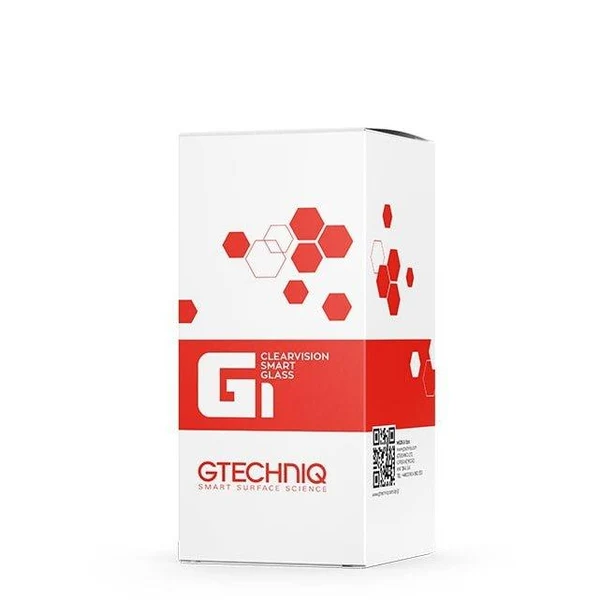
G1 ClearVision Smart Glass is the rain-repellent coating option for compatible glass. Its current application page includes preparation, layering and G2 residue removal. Do not treat a cleaner as a substitute for G2 or improvise a schedule from a different coating. Check the bottle, package contents and applicable instructions together.
There is no rule that a maintenance visit must finish with G1, or that buying G1 means polishing every window without first identifying its surface. Decide which outcome you want before selecting a process.
Identify the surface before diagnosing the mark
Write down which part of the vehicle you are working on and which side of it. “Front windshield, outside, cloudy area near the passenger-side wiper” is much more useful than “bad glass.” An inside mark can remain visible while you repeatedly work on the outside, so location belongs in the initial inspection.
Next, identify what you would actually touch with the product. Vehicle glass, an aftermarket film and a transparent plastic component are not interchangeable. Do not infer compatibility from appearance or from the word “window.” Use the vehicle or film maker's care instructions; if the material or previous treatment is unknown, resolve that before polishing or coating it.
Record any known coating, film installation, recent replacement, repair or product already applied. “Unknown” is a legitimate entry. It tells the counter or technician what needs checking instead of encouraging a confident recommendation based on missing information.
A photograph can show the position and pattern of a mark, but it cannot by itself establish whether you have surface residue, damage or a compatibility problem. Avoid buying a more aggressive product simply because a photograph looks dramatic.
Use a two-stage decision: clean, then reassess
Your first decision is whether you have an ordinary cleaning task on a confirmed compatible surface. If so, follow the cleaner's directions and inspect the result. Do not automatically move through the full lineup just because all three bottles are available.
For a useful comparison, keep track of which area you cleaned, which side you worked on, and which cloths and products you used. Inspect when the surface is ready for assessment under the relevant instructions. Compare the same area from more than one viewing position. This is documentation, not a laboratory test or a guarantee that a defect has been identified.
If the result meets your goal, stop. If something remains, describe it before choosing a second step. Does it appear in the same place? Is it on the side you treated? Is there an existing film or coating to consider? Has the appearance changed at all? These observations are more useful than “the cleaner failed.”
G4 may be relevant to a confirmed polishing or preparation task, but persistent marks do not automatically authorize polishing. Damage, an uncertain substrate or unclear compatibility calls for appropriate assessment. Likewise, adding G1 is a protection decision, not a way to conceal an unresolved visibility problem.
Build a job card before opening a coating
A short job card makes missing information obvious. It also helps a household or shop avoid repeating work when more than one person handles the vehicle.
- Surface and side: identify the actual material and location.
- Starting condition: record the visible concern and any known previous treatment.
- Desired result: routine cleaning, preparation for a confirmed process, or rain-repellent protection.
- Exact product: copy the name and version from the bottle, not just a shopping-cart abbreviation.
- Required supplies: list the applicators, cloths and residue-removal products named by the relevant instructions.
- Working conditions: check the procedure's environmental and drying requirements against your available space and schedule.
- Completion check: define what you will inspect and what would make you stop or ask for help.
Read the label and safety information before the work, not after encountering a problem. For G1 in particular, an available afternoon is not the same as having suitable conditions for the entire process. If the vehicle must leave before the required stages can be completed, change the appointment or the scope instead of shortening the instructions.
Do not combine timings from an older online guide, a different coating and the current bottle. If instructions appear inconsistent, ask the manufacturer which procedure applies to the product in hand. A precise answer is more valuable than a universal “wait a few minutes” rule.
Troubleshoot by changing the question, not adding chemicals
If a streak remains after routine cleaning, first review your process and observations. Confirm the side of the glass and check whether the cloth and product were appropriate for that step. Return to the cleaner's instructions before adding a polish. More product is not a diagnosis, and trying several products at once makes it harder to understand what changed.
If a mark seems unchanged after an appropriate permitted step, keep a record and seek advice before escalating. Do not keep rubbing an uncertain defect to meet a promised finish. A buying guide cannot tell you how much abrasion a particular window, film or repaired surface can tolerate.
If trouble begins after coating, preserve the product name, application details and photographs. Consult the matching manufacturer's troubleshooting guidance rather than borrowing a paint-coating correction method. Keep cosmetic expectations separate from visibility and vehicle operation: if the result affects safe use, have it assessed before driving.
Wiper condition and windshield condition are separate checks from choosing a coating. A water-repellent product does not replace functioning wipers, repair a damaged windshield or guarantee visibility in every weather condition. Do not use advertised beading behavior as permission to ignore those responsibilities.
Two examples of a better purchase decision
Consider a hypothetical owner who wants to remove routine interior haze before a road trip. The useful first order is a compatible cleaner and suitable clean cloths, after checking any film-care requirements. A coating on the exterior is a different project and should not be added simply because it shares the “glass care” label. The owner can clean, inspect and stop if the original concern is resolved.
Now consider a hypothetical detailer planning exterior rain-repellent protection for a customer's vehicle. Before ordering, the detailer records the glass condition, existing treatments and the exact G1 procedure to be used. The supplies list includes every preparation and residue-removal item required for that procedure. The booking includes the necessary working conditions and release timing. Any unresolved mark is discussed separately rather than bundled into a promise that the coating will remove it.
Neither example establishes a consumption rate, a treatment guarantee or a universal product combination. The point is to make the shopping list follow the job. If the surface is uncertain or the schedule cannot accommodate the instructions, the next purchase may need to wait.
Buy the package you need, not a guessed coverage claim
Open each current Cen-Tex product page and select the actual option you intend to buy. Read its description and package contents, then check the bottle information when you receive it. Do not assume that two similarly named listings include the same accessories, or that a photograph proves the contents of every size option.
For one vehicle, define which glass surfaces are in scope. For a shop, separate routine cleaning stock from the supplies needed for individual coating appointments. Track actual use on completed jobs before turning a bottle size into a fixed “vehicles per bottle” claim. Vehicle size, scope and the applicable procedure matter; this guide deliberately does not invent a yield.
A lower bottle price is not necessarily a lower job cost. Include required accessories, time available for preparation and inspection, and products you already have in suitable condition. Do not add unrelated chemicals just to make an order look complete. Ask about uncertain items before placing the order rather than planning to substitute something at the workstation.
What to ask the counter
A useful request is specific: “I am planning exterior glass protection on this vehicle. The surface history is known except for this area. I have this exact bottle and these supplies. What do I still need to confirm?” Attach photographs when they help explain the location, while recognizing that a photo does not prove compatibility.
Use the current G6, G4 and G1 pages to compare options, or contact Cen-Tex with your list. Check the pickup and delivery policy for fulfillment rather than relying on an old screenshot. The best glass-care purchase is not automatically the largest bundle. It is a clear next step for an identified surface, supported by the right instructions and an honest stopping point.
Plan Your Order
Confirm compatibility and bottle-label instructions. Choose in-store pickup or eligible local delivery.