Coatings
Gtechniq C4 or C5? A practical guide to protecting trim and wheels
The Cen-Tex Counter · Nov 18, 2026 · 9 min read
Learn how to identify the finish, separate repair from protection, plan a realistic job and choose the right supplies for exterior trim and wheels.
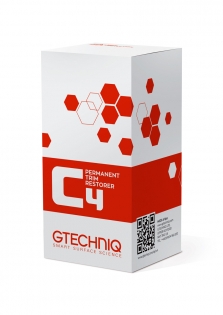
A wheel and a bumper insert can both look black, smooth and ready for protection. That does not make them the same surface. Choosing between Gtechniq C4 and C5 starts with identifying what you are touching, not matching a bottle to a color. The useful distinction is simple: C4 Permanent Trim Restorer is the exterior-trim option; C5 Wheel Armour is the wheel-coating option. The preparation, compatibility questions and scope still need to be settled separately.
This guide helps you turn those questions into a workable purchase and job plan. It is not a substitute for the supplied application instructions, a wheel-refinishing assessment or a promise that a coating will repair damaged material. The goal is to know what belongs in the basket, what needs professional clarification and what a finished job should actually include.
Identify the finish before choosing the product
Start with a surface inventory. Write down each part you want to treat and what you know about it. A useful entry is “front wheel, factory satin finish, no known repair,” rather than “black wheel.” For a bumper, distinguish an unpainted textured insert from a painted section and a gloss-black decorative piece. If you cannot establish the material, mark it unknown instead of quietly turning a guess into a preparation instruction.
Manufacturer documentation, an invoice from the refinisher or the part supplier can help establish the finish. A photograph is useful for explaining where the part is and showing its condition, but it may not distinguish bare polished metal from metal protected by a clear coating. That distinction matters. Gtechniq's C5 application guidance covers gloss, satin, matte and chrome finishes, but excludes polished metals. The same guidance warns about Panel Wipe affecting smart-repaired wheel paint. Do not replace those exceptions with an “all wheels” recommendation.
Make a separate note for anything refinished, repaired or replaced. Two wheels on the same car can have different histories. A repair question is not resolved merely because the original factory finish was compatible.
Separate appearance problems from protection goals
Before buying, finish this sentence: “I want this job to achieve…” Perhaps you want more consistent-looking exterior trim, a planned protection step for suitable wheels, or a documented maintenance starting point after a detail. Those are different goals from repairing peeling paint, removing curb damage or rebuilding a cracked plastic part.
Inspect the surface when it is clean enough to evaluate. Note cracking, flaking, lifting finish, deep damage and areas that differ from the surrounding material. Photograph those conditions before treatment. Otherwise, the final inspection may become an argument about whether a defect was already there. This is especially useful when a customer drops off a vehicle and a different person collects it.
Keep expectations specific. “Treat the identified exterior trim pieces” is a clearer scope than “make all black parts look new.” The word “Permanent” is part of C4's product name, not a guarantee that every aged or damaged component will look new indefinitely. If a part needs repair or replacement, decide that before purchasing a protection product for it.
Build a preparation plan without mixing instructions
Preparation should follow the selected product and verified surface. Do not use one generic solvent routine for plastic, wheel paint and every adjoining component. Read the current bottle instructions and safety data sheet before opening products, then resolve any conflict with the surface manufacturer's care guidance. Unknown finishes and recent repairs deserve clarification, not a stronger chemical experiment.
The C4 directions emphasize removing contamination and old dressings, promptly removing application residue, and checking textured recesses. They also require 12 hours before exposure to the elements. Those details explain why trim work includes preparation, inspection and scheduling rather than simply wiping a product over a visibly gray part.
For the job sheet, divide materials into three groups: cleaning and preparation, application and residue removal, and worker protection. List the exact products in each group. Do not assume a previously used applicator is suitable merely because it looks clean, or that a towel used around wheels belongs on an adjoining painted panel. Separate labeled materials make the intended workflow easier to follow.
Decide what wheel coverage actually means
“Coat the wheels” is an incomplete description. Does the job cover the visible faces, accessible spoke edges or additional areas? Clarify the scope before choosing a bottle size or estimating labor. A complicated wheel design and an open-spoke design do not present identical access, even if both have the same nominal diameter.
This guide does not recommend removing wheels as a default step. Removal and installation are separate mechanical work with their own equipment and procedures. If the chosen scope requires that work, arrange a qualified service and include it in the plan. Do not turn a product application article into an improvised jacking or wheel-installation procedure.
For a customer job, write down exclusions as well as inclusions. For example: “Wheel faces only; existing finish damage documented; inner areas not included.” This tells the customer what was purchased and helps the next technician understand what was treated. Avoid implying that everything behind the spokes received protection when access did not permit it.
Example: a mixed-condition vehicle
Consider a hypothetical daily driver with textured exterior bumper inserts, factory-finished wheels and one wheel repaired by a previous owner. The owner wants a more consistent appearance and a clear maintenance plan. There is no reason to order the same preparation chemicals for every part before checking those details.
First, separate the wheel with an unknown repair history from the three documented wheels. Ask the repairer or owner for the finish information. Second, list the actual trim inserts, excluding adjacent painted and gloss-black pieces until their material is confirmed. Third, record any cracks or peeling rather than including their repair in a coating promise.
The resulting purchase might include C4 for confirmed trim and C5 for compatible wheel surfaces, but the repaired wheel remains a decision to resolve. That is not an incomplete inspection; it is the inspection doing its job. A staged project is better than committing to a treatment on an unidentified finish simply to finish every corner on the same afternoon.
Plan the workspace and the handover
Choose the application day around the required conditions and protected time, not just an empty hour in the calendar. Read the current product directions for environmental and curing requirements. Make room for preparation, application, inspection and any required indoor period. If the vehicle must immediately return to weather, move the appointment rather than hoping the timing will be adequate.
Set out supplies before starting. Put the wheel and trim materials in distinct areas, keep labels readable and decide where used towels will go. Organize the work so a half-finished section is not confused with a completed one when the phone rings or another job arrives. A simple marked diagram can be more useful than relying on memory.
The handover note should identify the products used, the treated areas, the date and the relevant aftercare directions. If only part of a wheel or trim assembly was treated, say so. A future detailer should not have to infer the coating from shine, darkness or water behavior.
Inspect the work against the agreed scope
Inspect with lighting that lets you see the treated area and its boundaries. Check the surface from more than one position rather than approving it from a single attractive photograph. On textured trim, include recesses and transitions in the inspection. On wheels, compare what you can see with the coverage you actually promised.
Do not solve every unexpected mark by adding more product. First identify whether the issue is an untreated area, remaining residue, contamination or an existing defect recorded before work. If you cannot determine the cause, follow the manufacturer's support process instead of stacking products and making the history harder to understand.
A useful final record contains a few clear photographs, the scope sheet and the handover instructions. It does not need dramatic before-and-after claims. The point is to show what was done and preserve enough information to make the next maintenance decision sensible.
Buy a complete, proportionate set of supplies
Start with the exact C4 listing and C5 listing, then compare selected sizes and stated package contents with your job sheet. Current options belong on the product page. A bottle shown in a photo does not establish the contents of every selectable package, and another person's vehicle is not a dependable coverage estimate for your job.
Your purchasing checklist should answer these questions:
- Which identified surfaces are included, and which remain unresolved?
- What preparation materials do their instructions require?
- Which clean applicators and removal towels are already available?
- What protective equipment and workspace conditions are specified?
- Is mechanical work needed for the agreed access, and who will do it?
- Where will the vehicle remain for the required protected period?
- Who receives the maintenance and treatment record afterward?
If the budget is tight, reduce the scope transparently rather than omitting required preparation or protection. Completing the documented wheel faces properly is a clearer purchase than an ambiguous promise to treat everything with insufficient time or materials.
Questions to settle at the counter
Can C4 replace C5 because both are coatings? Treat them as separate product choices for separate jobs; do not infer interchangeability from the category name. Can C5 repair a damaged wheel finish? Protection and finish repair are different work. Can a photograph establish compatibility? It can help explain the question, but uncertain materials or repairs may require records or specialist advice.
Bring the part or wheel information, selected scope and any repair history when you contact Cen-Tex. Include the exact product name rather than asking only for “a ceramic coating.” Browse the Gtechniq collection once those questions are clear, then confirm the selected package and availability. Arrange in-store pickup or check eligibility for local delivery. The best purchase is the one matched to an identified surface and a workable plan, not the longest list of bottles.
Plan Your Order
Confirm compatibility and bottle-label instructions. Choose in-store pickup or eligible local delivery.