Detailing
Choosing Wonder Wafers Scents for Your Detail Shop
The Cen-Tex Counter · Nov 18, 2026 · 9 min read
Compare the current scent options, build a manageable assortment and plan purchases around customer choices instead of unsupported popularity or longevity claims.
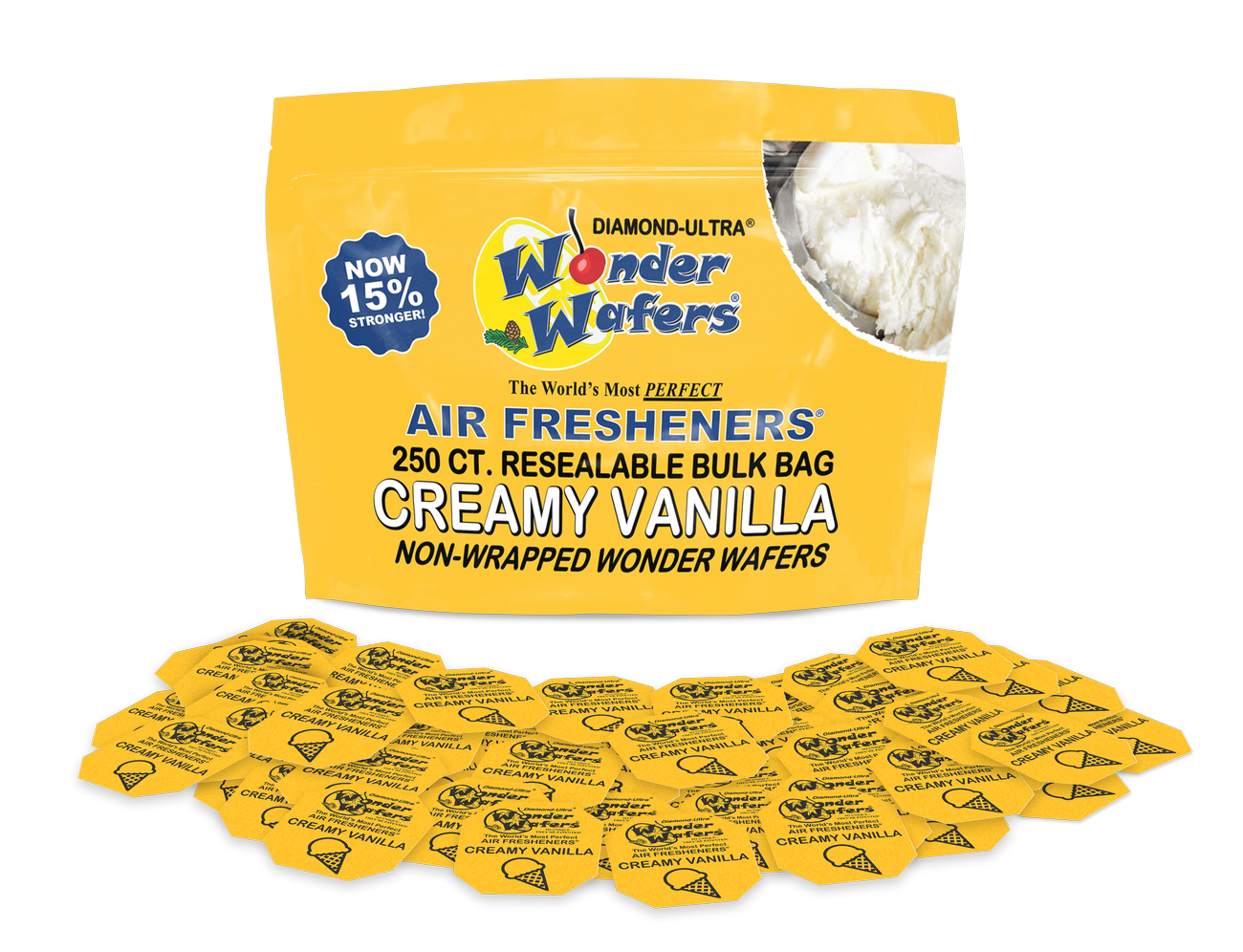
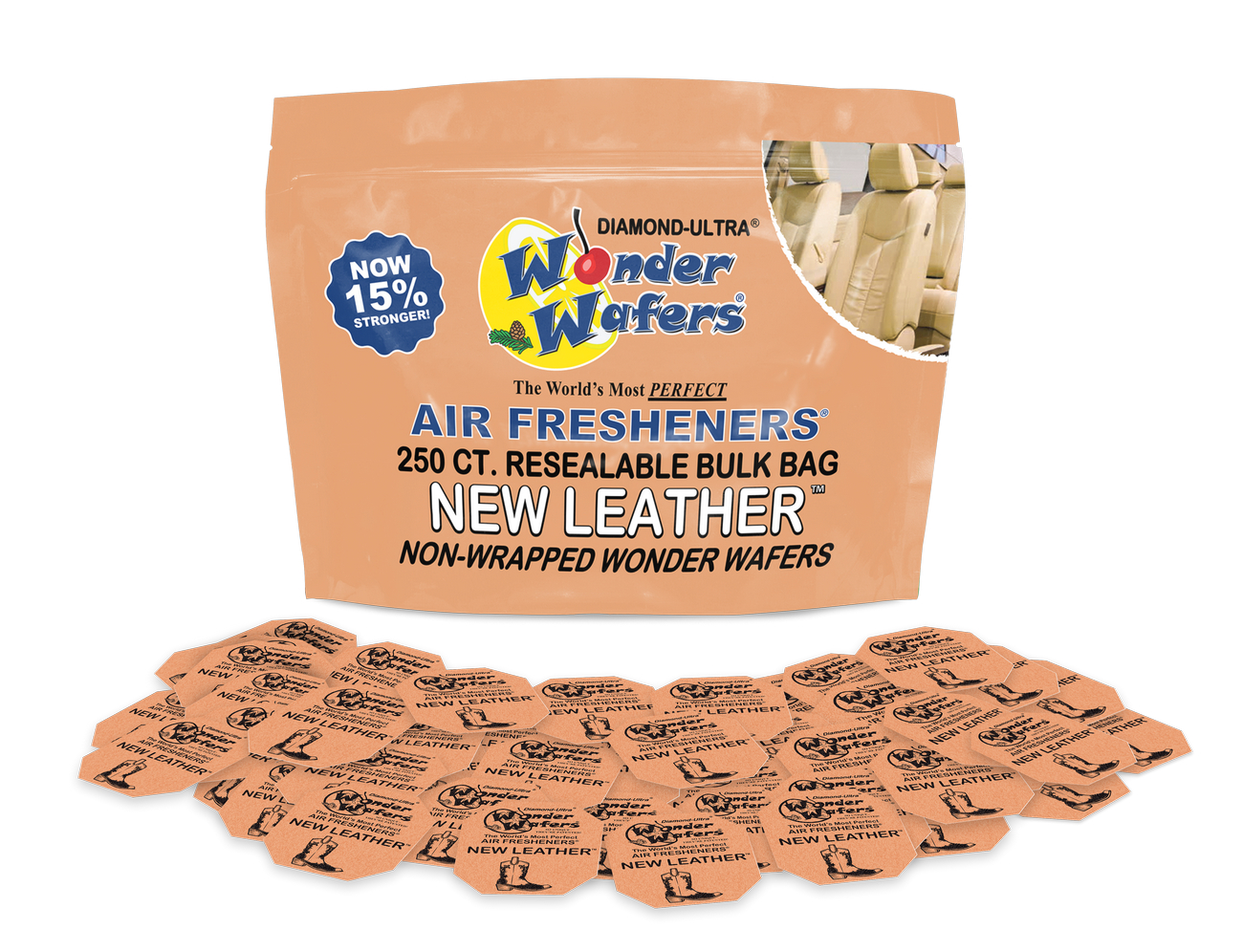
Choosing air-freshener scents for a detail shop is an inventory decision as well as a matter of taste. Too few choices may leave regular customers without an option they enjoy. Too many opened bags can make ordering, identification and staff training needlessly difficult. A useful assortment gives customers understandable choices without pretending that one fragrance suits everyone.
Start with the people and vehicles you serve, then use actual requests to refine the range. This guide explains a practical selection and purchasing process for the Wonder Wafers product listed by Cen-Tex. It is not a smell test, a bestseller ranking or a claim that a particular scent performs better than another.
Understand the product before comparing names
The Cen-Tex listing offers a 250-count bulk format with a scent selector. Do not mistake the number of options for separate products with different purposes, or assume a familiar name means a different pack size. Read the selected variant and the actual package before ordering.
The manufacturer's bulk listing identifies a non-wrapped, attendant-applied format. Individually wrapped retail formats exist separately; they should not be implied by this store listing. If the plan is to hand customers packaged takeaways rather than apply a finishing product, confirm the required format instead of buying by scent alone.
The twenty options in the Cen-Tex selector
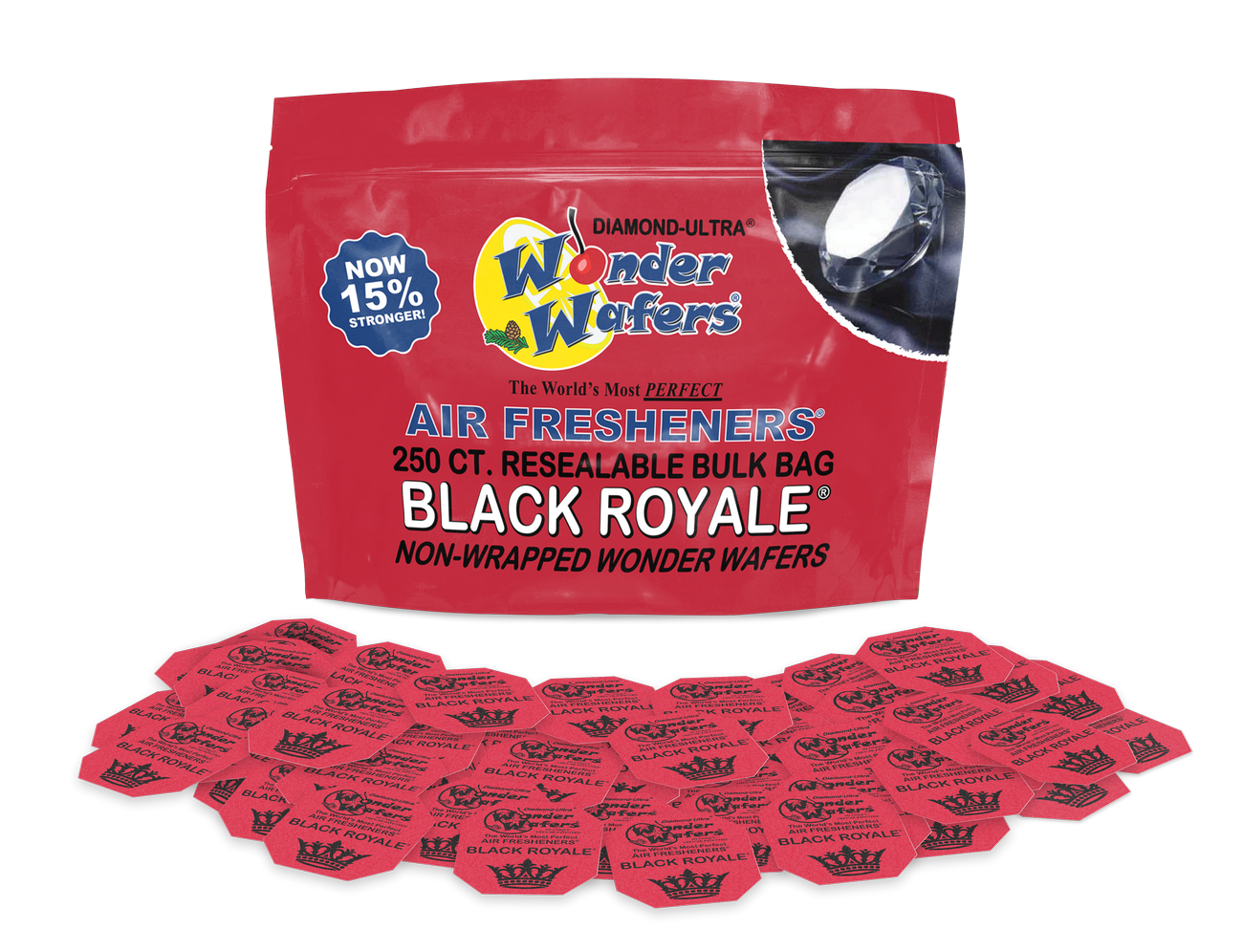
The verified selector contains these names: April Fresh, Aquafrost, Baby Powder, Black Royale, Clean Car, Cotton, Creamy Vanilla, Fresh N Clean, Island Breeze, Jasmine, Lavender Sachet, Mulberry, New Car, New Leather, Pina Colada, Peach Mango, Strawberry, Strawnilla, Wild Cherry and Fresh Lemon. Check the live selector because availability and catalog presentation can change.
Keep those exact names on purchase requests and working inventory. Avoid shortening Fresh N Clean to “fresh” when April Fresh is also on the shelf. Likewise, a note that says “vanilla” is less precise than Creamy Vanilla when Strawnilla is another possible choice. Exact naming reduces an avoidable source of substitutions.
There is one naming detail worth recognizing: the store selector uses New Car while the associated image caption uses Nu Car. Do not count them as two different Cen-Tex options. Confirm the selected variant and visible package together. If the delivered label or order does not match expectations, resolve that before distributing the stock.
Use scent families as conversation starters
Customers rarely need a recital of twenty names. Offer a few broad directions first, such as linen-inspired, floral, fruity, sweet or cologne-style. These are helpful editorial groupings, not standardized performance classes. They make the conversation easier without suggesting that everyone experiences a fragrance in the same way.
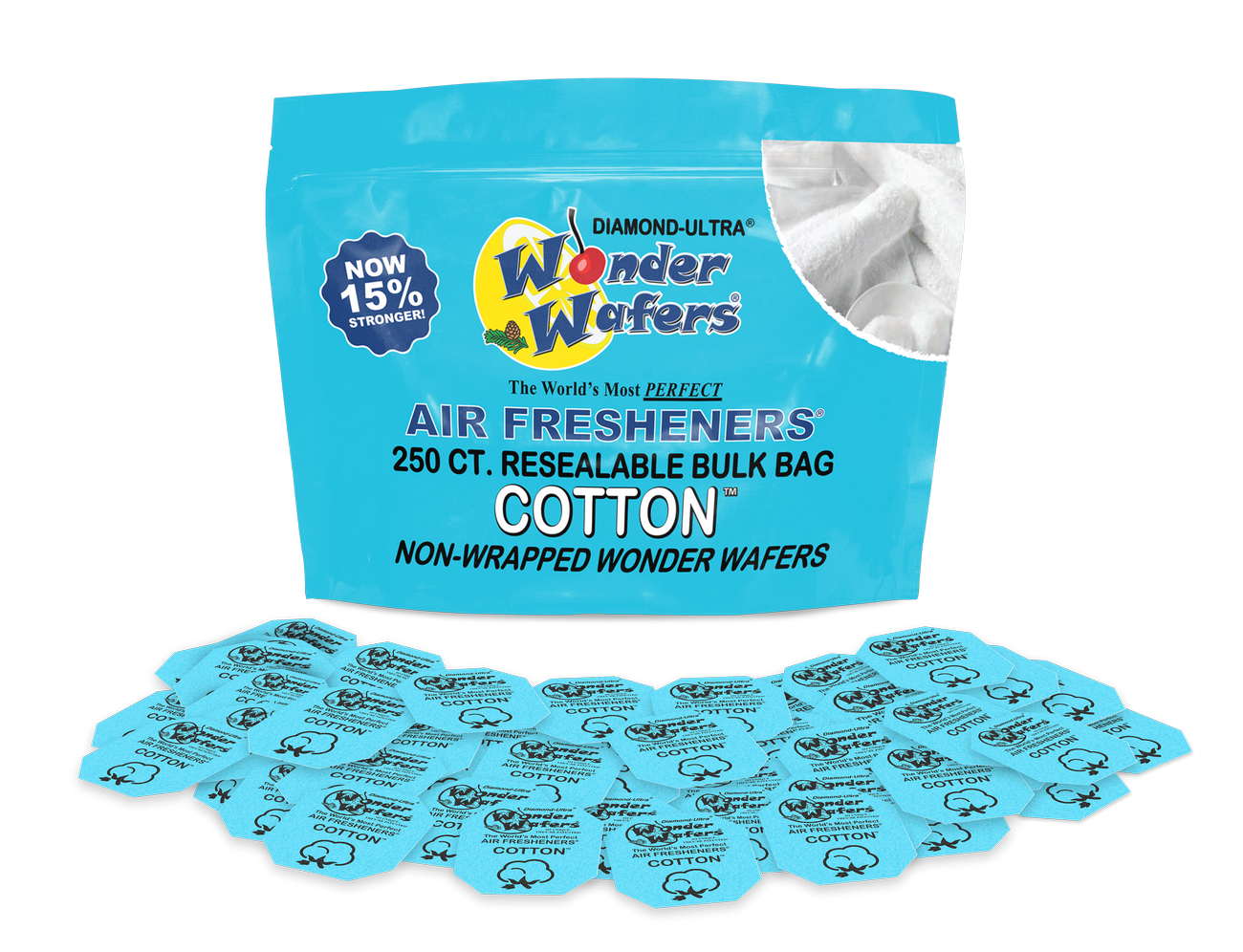
The store's gallery descriptions provide a starting point. Cotton and April Fresh are linen-oriented examples; Jasmine and Lavender Sachet suggest a floral direction; Creamy Vanilla and Strawnilla provide sweet options. Fruit-named choices include Strawberry, Wild Cherry and Peach Mango. Black Royale is described in cologne terms, while New Leather has a leather association.
A name is not an ingredient declaration, a strength rating or a compatibility claim. New Leather does not mean a product belongs on leather upholstery. Fresh Lemon does not establish a cleaning function. Keep the discussion about fragrance preference, and refer handling questions to the product directions rather than inferring an application from the name.
Build a small, deliberate starting assortment
For a shop without request history, begin with a manageable set of clearly different choices. One linen-oriented option, one sweeter or fruit-oriented option and another choice requested by existing customers can be a useful starting framework. This is a planning example, not a claim that those categories are the most popular in Austin.
Choose specific variants before creating an order. For example, Cotton, Creamy Vanilla and New Leather offer different references for a starting assortment. Open the product page, select the exact name and confirm the chosen option before adding it to your order. These examples illustrate assortment breadth, not a prescribed bundle.
Keep no fragrance alongside those choices, not beneath them as an exception. Customers should be able to decline without negotiating. That option also improves inventory data: a customer who does not want fragrance is not a failed sale of whichever scent the shop happened to offer.
Ask a question people can answer
“Which of these would you like, or would you prefer none?” is more useful than asking for the best scent. When someone is unsure, describe a broad family and explain that preference is personal. Do not promise that a name recreates the smell of a new vehicle or that a selection is universally subtle.
Avoid choosing based on the driver's age, gender, vehicle price or appearance. A person purchasing a work truck may enjoy a sweet fragrance; a luxury-car owner may want none. Let expressed preference guide the decision. This keeps the service respectful and produces better information than stereotypes about who should like a particular aroma.
For repeat customers, a recorded previous choice can shorten the conversation, but ask whether they still want it. A stored preference is a useful prompt, not permanent consent. If a different person is collecting or driving the vehicle, confirm whose instruction applies before making the finishing decision.
Separate customer choice from staff favorites
Staff can explain options, but their personal favorite should not become the default for every job. A recommendation that starts with “I like this one” is a preference, not evidence of customer demand or a performance advantage. Make that distinction clear when training new employees.
Use a short request log for a trial period. Record the selected scent, no-fragrance decisions and requests the shop could not fulfill. You do not need sensitive personal information to learn which choices are useful. Aggregate counts can guide the next order without turning an optional service into an intrusive questionnaire.
Keep unavailable requests separate from completed applications. If eight people request one scent while the shop is out, the application count alone hides that demand. Conversely, a heavily used scent may simply be the only one staff offered. Good records distinguish preference from availability and make the next purchase more rational.
Plan quantities with transparent arithmetic
Use your own workflow numbers rather than a generic promise about how many vehicles a shop handles. Suppose, purely as an example, forty customers per week choose a fragrance and one selected scent accounts for ten of those requests. At one wafer per completed application in this hypothetical plan, that scent represents ten units of weekly demand.
A 250-count bag divided by ten gives twenty-five weeks of theoretical supply. That is arithmetic, not a shelf-life recommendation, a product lifespan claim or a guarantee about real usage. If the result is longer than the shop wants to carry inventory, reconsider how many overlapping choices it opens or how much it orders at once.
Repeat the calculation using actual request counts for each scent. A combined total can hide an imbalance: one option may need reordering while another remains largely unused. Add supplier availability and your chosen ordering frequency to the plan, but do not invent lead times or assume a permanent stock position from today's product page.
Compare cost without confusing it with value
For a basic material estimate, divide the actual bag price by its stated count. Keep tax, delivery and other order charges separate until you know the real total. Use the current product page or confirmed quote rather than a price copied into an old blog post or a screenshot from a previous order.
Do not present that calculation as the complete cost of a service. Staff time, handling, unused supply and the rest of the interior detail are separate considerations. Nor does a low calculated unit cost justify adding a fragrance that the customer declined. The useful measure is whether the finishing process serves the agreed job consistently.
Manufacturer direct-order discounts and delivery terms are not automatically Cen-Tex's terms. Review the store's pickup and local-delivery policy and confirm the actual order details. A purchasing decision should be based on the seller fulfilling the order, not an unrelated offer found during research.
Use photographs to prevent ordering mistakes
Match the product name, selected option and package image before completing the order. A generic brand picture is less useful than a clearly identified scent when several bags look similar. Keep the variant link on the purchasing note so the person placing the order does not need to reconstruct someone else's choice.
For internal menus or customer-facing material, use the correct image for each named option. A Black Royale bag should not illustrate a Cotton listing without an explicit explanation. Do not use a photograph of an individually wrapped product to represent the non-wrapped bulk format simply because the brand logo matches.
Set expectations without unsupported promises
Avoid “strongest,” “longest lasting,” “safest” and “best for everyone” rankings unless you have appropriate evidence for the exact claim. This guide does not supply that evidence. A customer's preferred fragrance is not proof of superior duration, and a manufacturer's general marketing statement does not establish how every vehicle will smell.
Treat placement as a separate requirement from selection. Read the actual label and consult the manufacturer's safety information. A preferred scent still needs appropriate use. The application workflow guide explains how to keep preference, instructions and completion notes connected.
Write a purchasing note someone else can use
A good purchasing note records the product name, count, exact scent, number of bags and any agreed substitution rule. Add who will collect or receive the order. These are ordinary purchasing controls, but they prevent a preference discussion from becoming an ambiguous request for “more air fresheners.”
If one person approves the assortment and another places the order, have the second person repeat the selected names before checkout. On arrival, compare the received bags with that note before opening them. When something differs, keep the discrepancy attached to the order record rather than quietly mixing it into working stock. This gives the buyer a clear question to resolve and keeps an unintended scent out of the customer menu.
Refine the assortment instead of collecting every option
At the end of a review period, look at repeated requests, unused stock and substitutions. Keep choices that earn a clear place in the service. Consider adding an option when customers repeatedly ask for it, not simply because another scent exists. Remove confusion from the menu before expanding it.
A good assortment is easy to order, easy for staff to identify and easy for customers to accept or decline. Start with verified options, learn from actual choices and keep promises modest. The live Wonder Wafers listing is the place to confirm the next selection; your own request history is the place to decide why it belongs on the shelf.
Plan Your Order
Choose in-store pickup or eligible local delivery. Select the scent on the product page.