Tools & Equipment
Will Your Air Compressor Run A Tornador? What To Check Before Buying
The Cen-Tex Counter · Nov 18, 2026 · 2 min read
Pressure, delivered airflow and working time answer different questions. Use this checklist to compare your compressor with the exact Tornador model.
A tank-size answer is not enough
A compressor's tank stores air; it does not tell you how much air the machine can continuously deliver. A large tank can provide a reserve, but it does not by itself prove that the compressor can support the tool throughout your working cycle.
Start with the exact Tornador model and the compressor's specification plate or manual. Record the delivered-air rating at a stated pressure and the permitted duty cycle. Do not substitute peak pressure or motor horsepower for the relevant airflow information.
Treat the manufacturer wording carefully
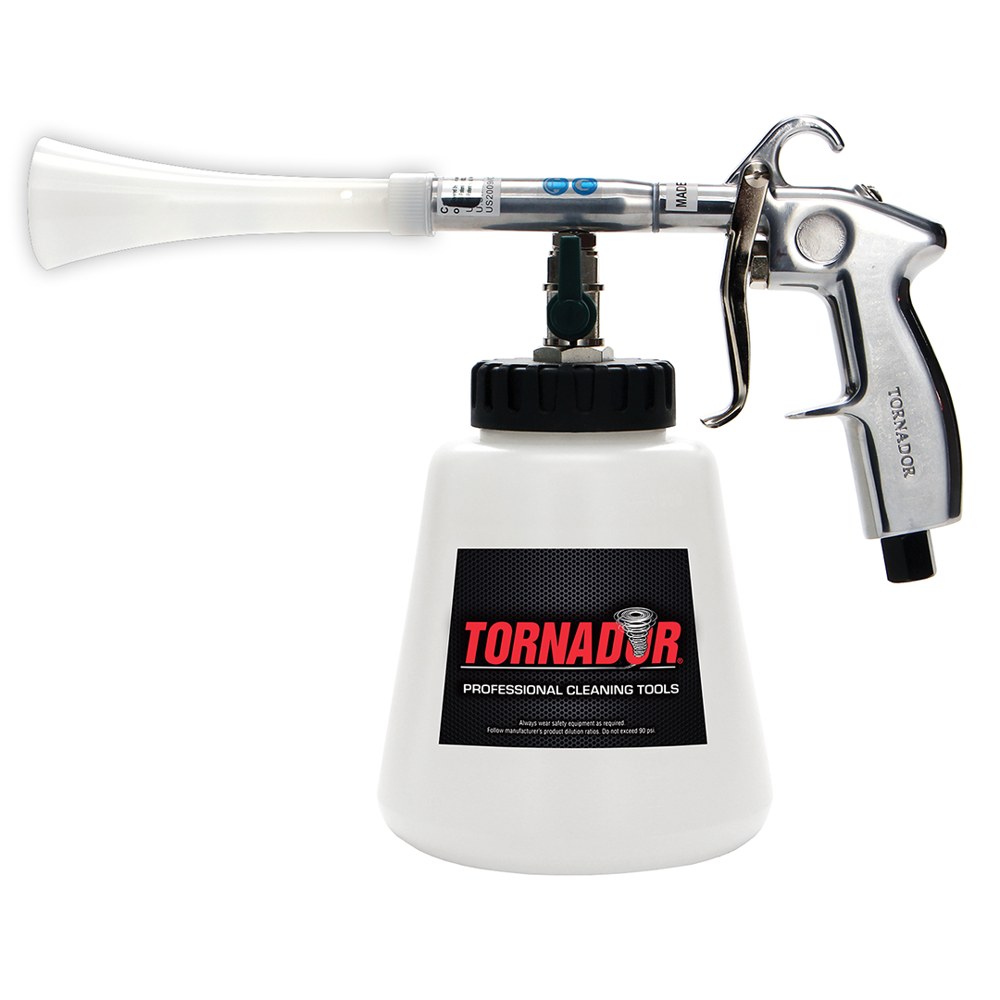
Tornador's public pages do not present one perfectly consistent compressor specification. The Classic product page and Classic instructions differ on the lower pressure recommendation, while both prohibit exceeding 90 psi for that model. Product copy also uses the ambiguous phrase “5 CFM, or at least 85 psi.” Pressure and airflow are different quantities; that wording does not establish a tested rating of 5 CFM at 85 psi.
Use the current instructions and markings for your exact tool. If they conflict with a web listing, resolve the specification with the supplier or manufacturer before operating it. Do not transfer Classic limits to another model without its instructions.
Build a useful compatibility checklist
- Tool: model number and current operating instructions.
- Compressor: make, model, delivered-air rating at pressure and duty-cycle guidance.
- Connections: hose, couplings, regulator and filtration appropriate to the equipment instructions.
- Workload: short intermittent tasks or a sustained production workflow, including other tools drawing air.
- Air condition: tank and line maintenance appropriate to the equipment; the Classic instructions call for an air supply free of oil and water contamination.
A pressure reading with the trigger released is not the same as the tool's air supply during operation. Evaluate the setup under its intended load using the equipment manufacturer's procedure. Do not defeat a regulator, remove safeguards or exceed a pressure rating to keep the tool running.
Bring the specifications, not a guess
If a setup struggles, pause before buying a larger tank or replacing the cleaning tool. Note when the behavior occurs, what else is connected and the exact equipment specifications. That gives a technician or supplier something concrete to evaluate.
Browse Classic, Black and Max product pages, then ask Cen-Tex about your intended setup. This checklist helps prepare the conversation; it is not a universal compressor approval or a substitute for model-specific instructions.
Plan Your Order
Confirm model, compatibility and availability. Choose in-store pickup or eligible local delivery.